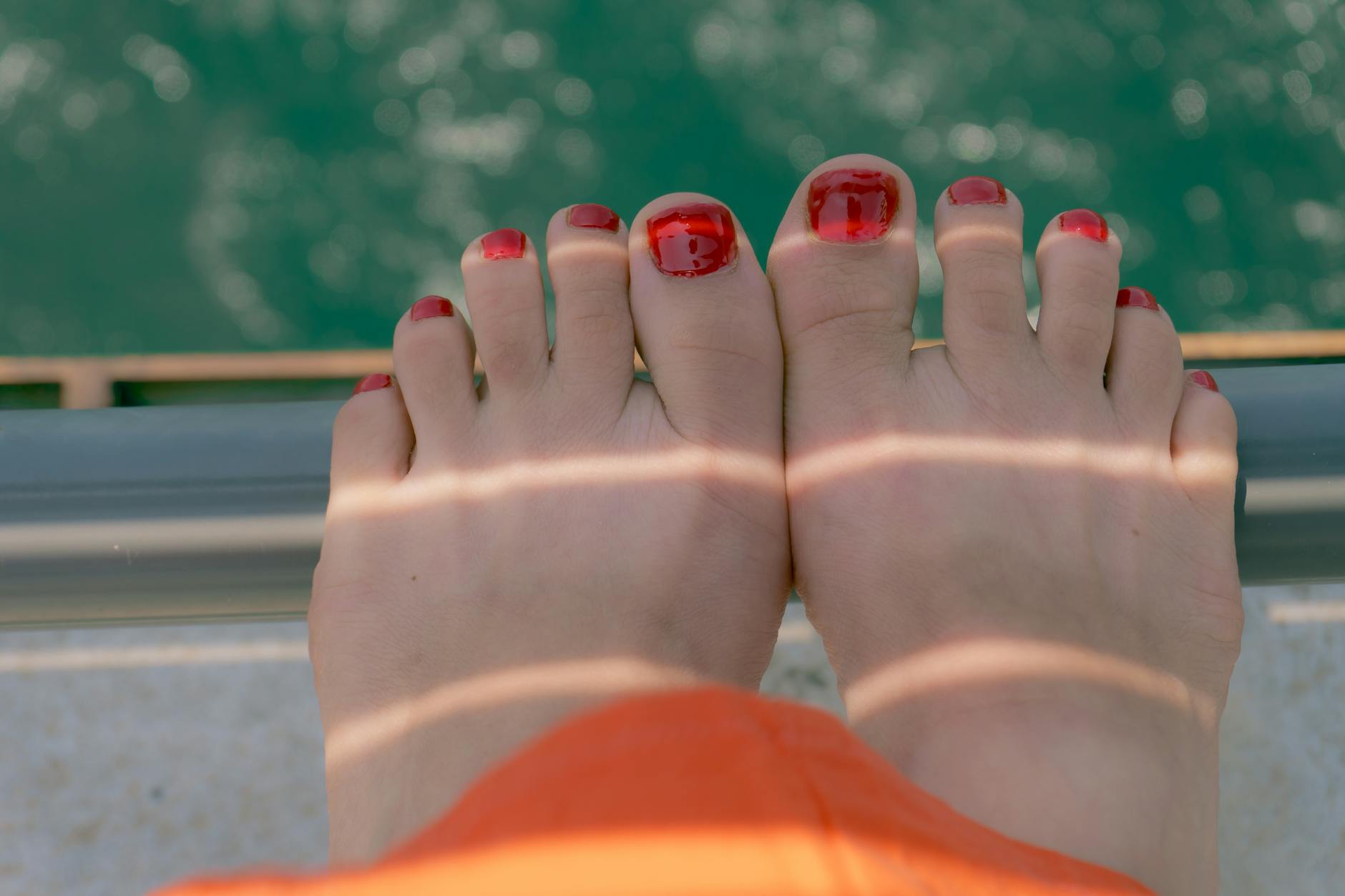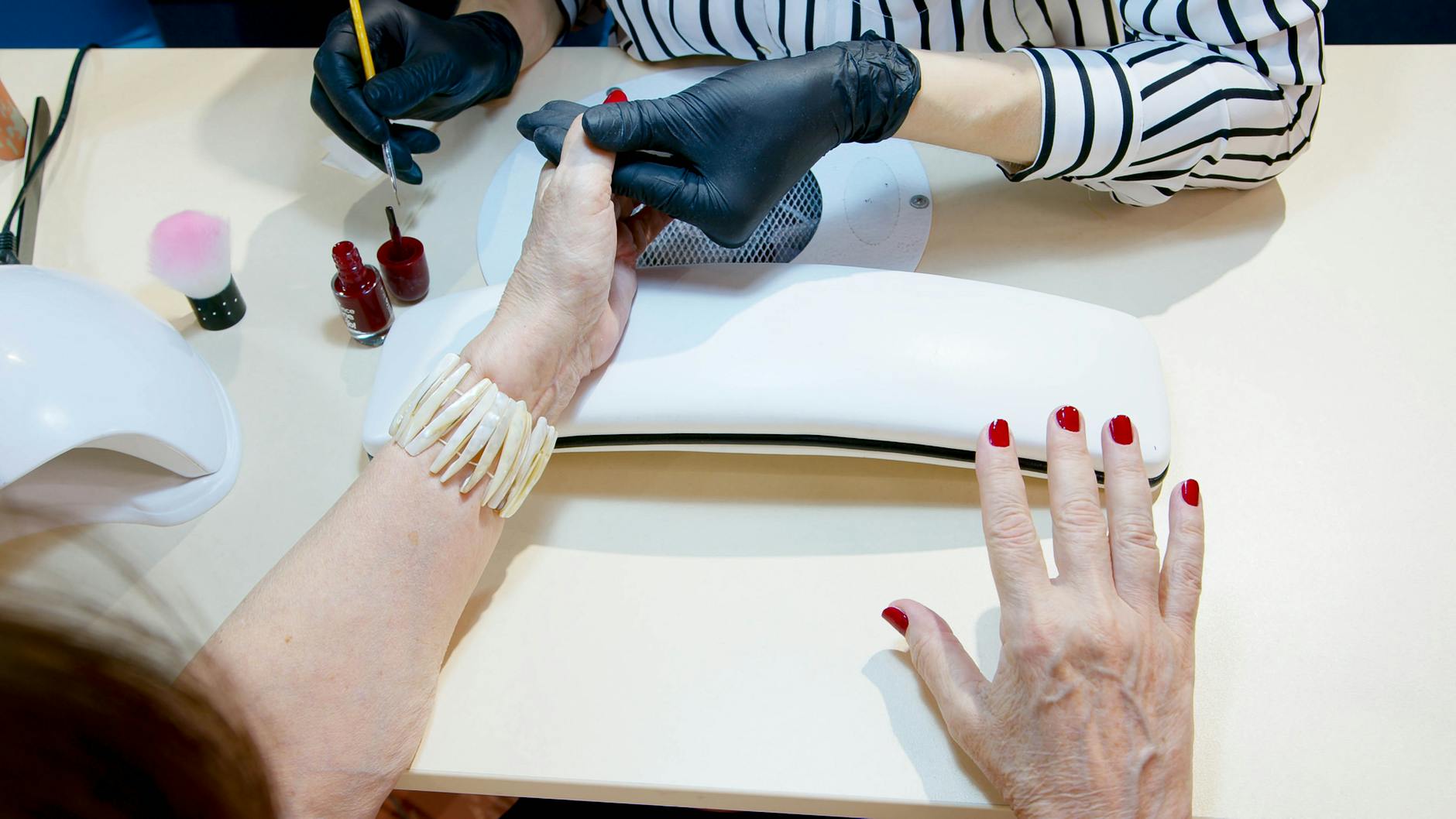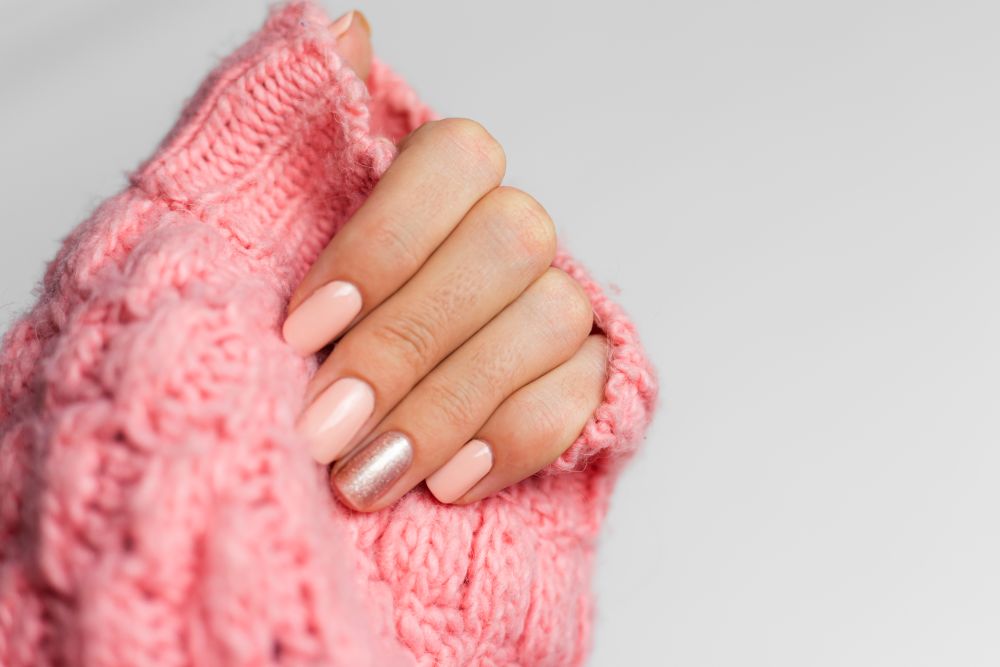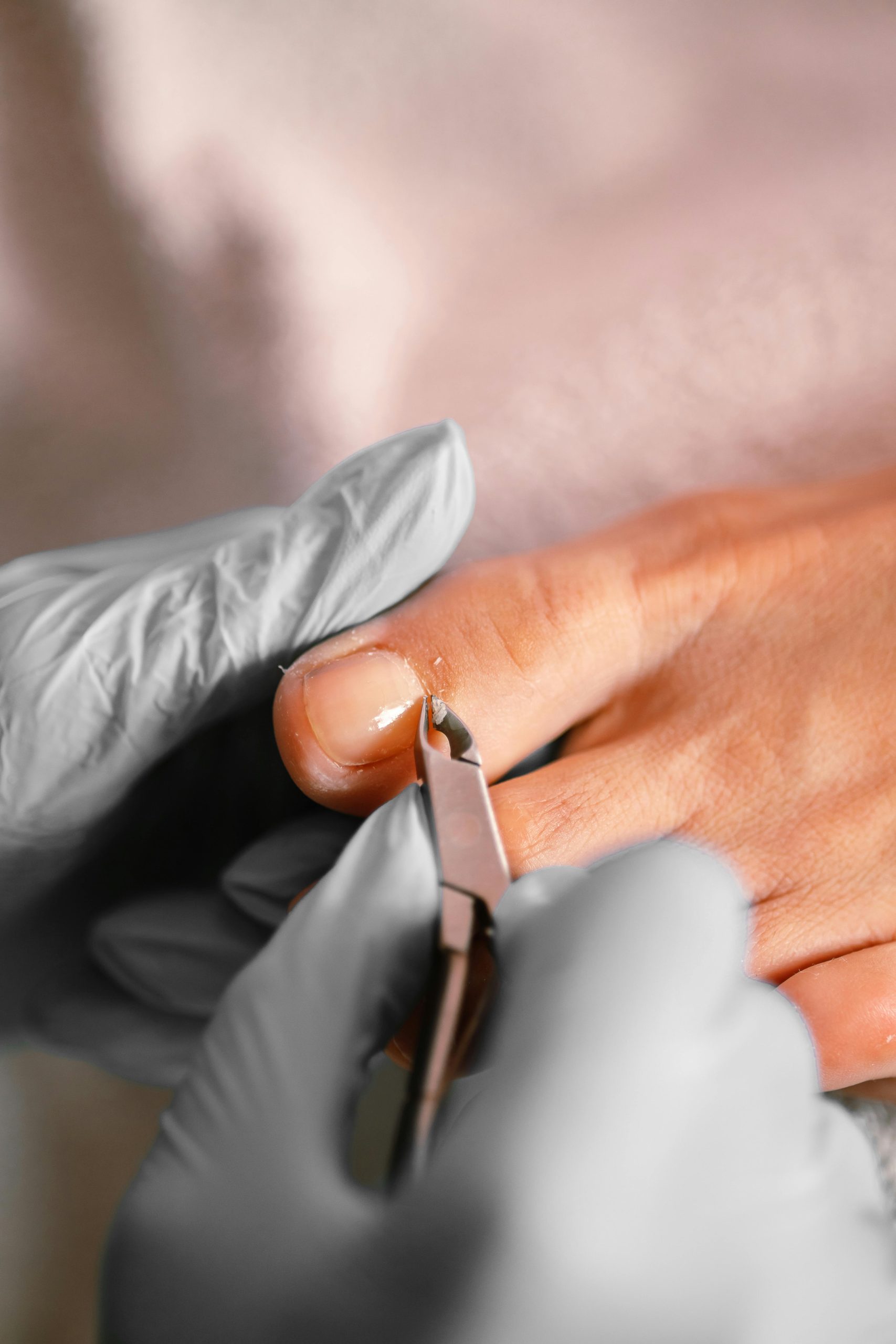
Most people think a manicure or pedicure starts the moment they sit down at the salon. The reality is that a service lasts longer, looks better, and is easier on your nails when the prep work and aftercare are done right. The 30 minutes around your appointment matter almost as much as the appointment itself.
Below is the same nail care guidance our technicians at Dream Spa in Austin walk clients through every day. Use it as a reference before your next visit and as a daily-care checklist between services.
Before Your Appointment
A few small steps in the day or two before your service give your technician a cleaner canvas to work with and help your finish hold up longer.
What to do
- Remove all existing polish at least 24 hours before your appointment. This lets the nail plate breathe and rehydrate.
- Leave your cuticles alone. Cuticle work is safer when a licensed technician handles it.
- Keep your hands and feet clean and moisturized in the days leading up to the visit.
- Wear gloves if you’re using harsh cleaning products in the 24 hours before your appointment.
- Drink water. Healthy nails start from the inside.
- Tell your technician about any allergies, sensitivities, or recent nail issues before the service starts.
What to avoid
- Don’t shave or wax your legs within 24 hours of a pedicure. Freshly shaved skin is more sensitive and slightly more prone to irritation in a foot bath.
- Skip your appointment if you have cuts, signs of infection, or actively irritated skin.
- Avoid soaking your nails in pure acetone the day before. It dries out the nail plate.
- Don’t try to repair a broken or lifted nail at home. Let your technician assess it.
During Your Service
The best results come from a short conversation at the start of your appointment.
Communicate. Tell your technician your preferred shape, length, finish, and any specific look you’re going for. If anything during the service feels uncomfortable, say so right away.
Choose for your lifestyle. If you type all day, garden on weekends, or are tough on your hands, a longer-wearing system like Aprés Gel-X®, hard gel, or acrylic will hold up better than regular polish. If you switch colors often, gel polish over a classic manicure makes more sense.
Ask questions. What product is being used? How should you remove it? What does the maintenance schedule look like? Anything you’d ask a stylist about your hair, you can ask your technician about your nails.
How Should You Care for Your Nails Right After a Manicure or Pedicure?
The first 24 hours are when polish, gel, or enhancement systems are still settling. Treat them gently.
- Skip hot water, saunas, and steam rooms for the first 12 to 24 hours.
- Avoid swimming pools and hot tubs for 24 to 48 hours.
- Be careful with anything that puts pressure on the nail surface. No heavy lifting or aggressive use of your hands.
- Let gel and acrylic finishes fully cure before exposing them to extreme temperature swings.
- After a pedicure, give your toes at least two hours before sliding into tight shoes.
These are the same instructions our front desk repeats to clients on their way out. They’re simple and they work.
Daily Habits That Extend the Life of Your Service
Aftercare isn’t just the first day. The way you treat your nails over the following weeks is what determines whether your service looks fresh at week three or starts looking tired by week one.
- Apply cuticle oil daily. This is the single highest-impact habit. Hydrated cuticles prevent lifting at the edges of gel and enhancements.
- Use hand cream regularly and massage it into the nail bed and surrounding skin.
- Wear gloves when doing dishes, cleaning, or working with chemicals.
- Stop using your nails as tools. No opening cans, scratching off labels, or prying anything.
- Keep nails at a length you can manage without snagging.
- File in one direction. Sawing back and forth weakens the free edge.
What never to do
- Never pick, peel, or bite your polish. Pulling polish off pulls layers of the nail plate with it.
- Don’t cut your own cuticles. The cuticle is a seal against bacteria, and home cutting is the most common cause of preventable nail infections.
- Never force off gel, acrylic, dip powder, or Aprés Gel-X®. Always come back in for a professional removal.
- Don’t go after your nails with metal tools at home.
Service-Specific Aftercare
Different systems wear differently. The general rules above apply to all of them, but each has its own quirks.
Aprés Gel-X® and gel polish
Aprés Gel-X® and gel polish both cure under a UV lamp, which makes them durable but also worth protecting from prolonged daily UV exposure.
- If you notice any lifting at the edge, don’t pick. Come in for a quick repair.
- UV-protective hand cream or a quick application of SPF on your hands while driving slows down color fade.
- Plan removal every three to four weeks to avoid stress on the natural nail.
- Keep cuticles oiled. Most lifting starts at the cuticle line.
Hard gel and acrylic
Hard gel and acrylic are extension systems, so they need fills as your natural nail grows out.
- Book a fill every two to three weeks. Going much longer puts leverage on the natural nail and increases break risk.
- Be deliberate when typing or doing detailed work the first day after a fresh set.
- If a nail breaks, wrap it in tape and get to your technician as soon as you can. Don’t try to glue it.
- Use cuticle oil twice a day. Enhancements pull moisture away from the surrounding skin.
- Avoid going from a hot car to an air-conditioned room with wet hands. Sudden temperature swings cause lifting.
Dip powder
Dip powder finishes feel cured immediately but benefit from a short rest period.
- Keep nails dry for the first two hours after application.
- Use a non-acetone remover for any touch-ups around the cuticle.
- Moisturize regularly. Dip can feel slightly drying compared to gel.
- Plan fills every three to four weeks.
- Report any lifting right away. Once water gets under dip powder, the bond is compromised.
Classic manicure and pedicure
A traditional manicure or pedicure with regular polish is the simplest service to extend at home.
- Apply a quick-dry top coat every two to three days to seal the surface and add shine.
- After a pedicure, wear open-toe shoes when possible until the polish fully sets.
- Touch up small chips with a matching polish before they spread.
- Exfoliate feet two or three times a week between pedicures to keep heels smooth.
Long-Term Habits for Healthy Nails
Polish and enhancements sit on top. The nail plate underneath is what determines whether your service looks great or fights you the whole way through.
- Nutrition. Biotin, protein, and omega-3 fatty acids support nail growth. If your nails are persistently weak, ask your doctor about a B-vitamin or biotin supplement.
- Hydration. Drink water. Use hand cream. Hydrated nails are flexible nails, and flexible nails don’t snap.
- Regular maintenance. Coming in on a schedule, even just every four weeks for cuticle care and a clean shape, prevents most of the problems people show up with at the front desk.
- Glove discipline. Cleaning, gardening, dishes, hair color. Anything that involves water or chemicals goes better with gloves on.
- Gentle products. Acetone has its place at removal. Outside of that, pick gentler removers and conditioning treatments.
When Should You See a Professional Instead of Treating It at Home?
Some nail issues need a trained set of eyes. Visit Dream Spa, or in some cases your doctor, if you notice:
- Signs of infection. Redness, swelling, pain, warmth, or any discharge.
- Significant lifting or separation of an enhancement.
- A nail that’s broken, cracked, or torn into the nail bed.
- Discoloration or texture changes that don’t go away.
- Persistent dryness or brittleness that isn’t responding to oil and hydration.
- Anything unusual that you can’t explain.
For anything that looks medical rather than cosmetic, see a dermatologist or your primary care provider. Our owner Ashley is a registered nurse, so when in doubt, our technicians will tell you straight whether something is in our lane or yours to take to a doctor.
Ready for Your Next Service?
Good nail care is a partnership. We’ll handle the technical work in the chair. Your job is the daily oil, the gloves, and the next appointment on the calendar. Do those three things and the rest takes care of itself.